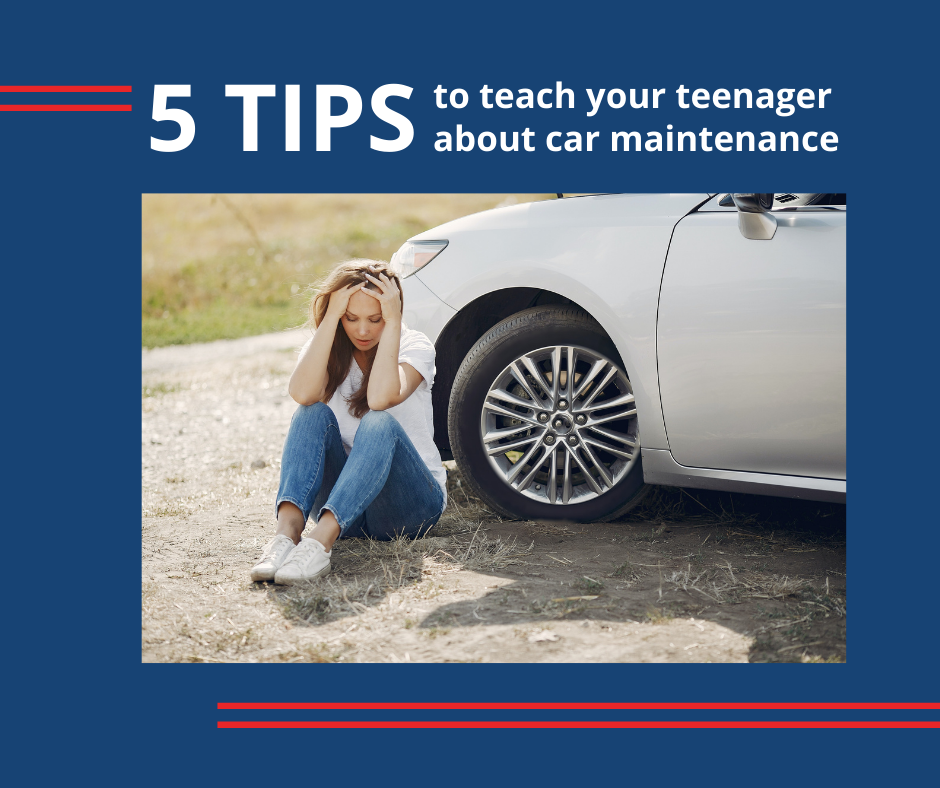
Essential Maintenance Tips to Extend Your Vehicle's Lifespan
Regular maintenance is crucial for extending your vehicle's lifespan. One of the simplest yet most effective steps is to follow a consistent oil change schedule. Oil lubricates the engine and helps to reduce friction; neglecting it can lead to serious engine wear. Additionally, keep an eye on your tires by regularly checking their pressure and tread depth. Under-inflated tires can cause a decline in fuel efficiency and uneven wear. By addressing these small issues early, you can prevent larger, costlier repairs down the road. For more guidance on oil change intervals, check out this resource.
Another important area of focus is the vehicle's brakes and battery. Brake maintenance involves not only checking the pads and rotors for wear but also ensuring that the brake fluid is at the appropriate level. Similarly, a well-maintained battery can prevent unexpected breakdowns. To extend its life, clean the terminals and check the connections regularly. Finally, don't forget the importance of regular fluid checks for components such as transmission fluid and coolant. These fluids are vital for optimal performance. For more tips on vehicle maintenance, visit Consumer Reports.
Top 10 DIY Car Care Hacks Every Driver Should Know
Every driver wants to keep their vehicle in top shape without breaking the bank, and DIY car care hacks provide a perfect solution. Here are the Top 10 DIY Car Care Hacks Every Driver Should Know to ensure your car runs smoothly and maintains its value:
- Use toothpaste for minor scratches: Apply a small amount of toothpaste on a soft cloth and gently rub it on the scratched area to buff it out.
- Revive headlights with baking soda: Create a paste with baking soda and water, apply it to the headlights, and scrub lightly for clarity.
- Fix windshield wipers with vinegar: Wipe the blades with vinegar to remove grime and improve performance.
- Clean car interiors with a lint roller: Use a lint roller to easily pick up pet hair and dust from seats and carpets.
These DIY techniques not only save you money but also enhance your car’s longevity. To delve deeper into the specifics, you can check out resources like Popular Mechanics for more tips. Here are some additional hacks:
- Remove odors with coffee grounds: Place a bowl of coffee grounds in your car overnight to neutralize bad smells.
- Use a rubber band for stripped screw heads: Place a rubber band over the screw head to get a better grip and twist it out.
- Keep your headlights clear with mineral oil: A light coating of mineral oil can help shield headlights from road grime.
- Check tire pressure with a cup of water: Dip a tire gauge in a cup of water if you don’t have a gauge, to see if your tires have the right pressure.
How Often Should You Really Service Your Car?
When it comes to maintaining your vehicle's performance and longevity, one of the most frequently asked questions is, how often should you really service your car? The general rule of thumb is to follow your car manufacturer's recommendations, which can typically be found in the owner's manual. Most experts suggest that cars should undergo a full service every 12,000 miles or once a year, whichever comes first. Regular servicing not only keeps your vehicle running smoothly but can also help you catch small issues before they become major problems. For a detailed insight, you might want to refer to resources like Car and Driver.
However, the exact frequency of service can vary based on several factors, including driving habits, the age of the vehicle, and the type of engine oil used. For instance, if you frequently drive in stop-and-go traffic or often take long-distance trips, you might need more frequent servicing. Additionally, certain vehicles may require different maintenance schedules. Here’s a quick guideline:
- Oil Changes: Every 5,000 to 7,500 miles.
- Tire Rotation: Every 5,000 to 10,000 miles.
- Brake Inspection: Every 12,000 miles.